
MUSEUM LV
Grata JJ
2559127

50898

Authorization
MUSEUM LV
Grata JJ
2559127
50898
Blogs
Can the Others Have Someone “Their”?
A Curator's Interpretaon of the works of the Arsts of the GRATA AWARD 2026
During the atmosphere of the Third Awakening (Naonal movement in the 1980s), during the decline of the USSR, the repertoire of Latvian rock music was able to mobilize different cultural
groups in a common struggle against the colonial regime. “Our own group will understand...” went the lyrics of a song that shaped the experience of a new community and encouraged people to create a new world while remembering a lost and forbidden history.
All of us, today's nomads—whether by choice and curiosity or by necessity—are at some point compelled to answer the quesons that form the fabric of the GRATA Award 2026 exhibion.
Who are the Others, and where do we encounter them? How do we become the Other to someone else?
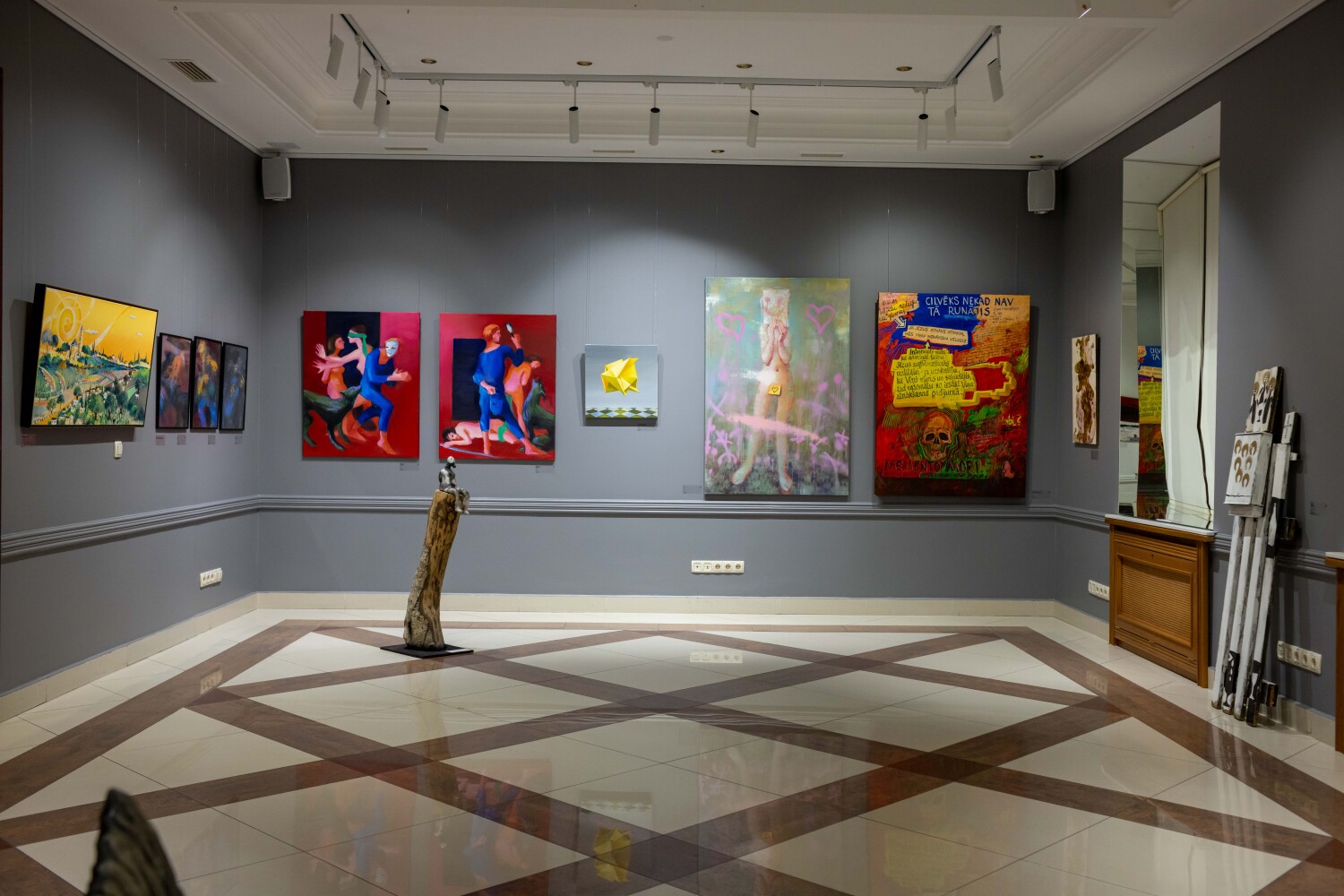
Bringing together 106 works, this internaonal exhibion offers an opportunity to understand who, for whom, and under what circumstances becomes the Other, and whether it is possible to find its Own place —to belong,connect, and become integrated.
This queson is relevant to all contemporary European sociees, and arsts from different countries reflect on the Other whom they encounter in the urban environment—a space saturated with diversity and signs.
This year's exhibion is a fascinang anthropological journey in which several tendencies and paerns of reflecon can be observed. What makes this process especially engaging is that, unl the very last painng or sculpture is unpacked, no one knows what awaits them.
As the curator of the exhibion, I idenfied three main narrave lines within this broad collecon of works, which is itself highly diverse in genres, forms, materials, and symbols.
The first, and in my opinion dominant, narrave is the opposion—or conflict—between the city
and the countryside, between nature and technology. Its roots run so deep and are so ancient that the opposing sides can no longer remember how it all began. Perhaps it started with the never-ending industrializaon of Riga more than a century ago; perhaps in the Soviet-era story of the
disintegraon of nature and the agricultural cycle of life; or perhaps much more recently, in consumerist obsession, where rural grass and trees are made of supermarket plasc and
arficial greenery.
The second scenario of reflecng on Otherness is born and lives within the imaginaon and
psyche of arsts,filled with the interacon of reason and madness, games of alienaon, and various forms of escapism. Outer space, its coldness, and planetary loneliness have given birth to several creatures of the imaginaon that visitorswill encounter during the exhibion.
The rarest and smallest group of works presents encounters with the Other as an element of metropolitan bustle, as one of the construcons of normality in the metropolis, where skin colors,
social and religious idenes, and countless other forms of identy intersect. Here, a person can become their own Other, change and dress themselves in a different costume of identy, experience themselves through play while simultaneously observing the game.
Does this mean that it is difficult for us to open ourselves to Riga and to unbuon the coat of our idenes? I do not think so. The parcipants of the exhibion offer you, the viewer, a visual
revelaon of their souls, a confession, and their dreams—all at once, just as in the moving and ever-changing urban space.
The Other is also being formed and living within you. Come and discover this year's versions of the GRATA Award...
Attached materials
 0
Pictures
0
Works
0
Pictures
0
Works
 0
Video
0
Video
 0
Articles
0
Articles
 0
Files
0
Files